A Sponsorship Model I Still Believe In: The Youth Entrepreneurs' Marketplace
In November of 2024, I helped put together support for a Youth Entrepreneurs' Marketplace and Community Collective Fair here in Phoenix. Kids and teens ran real tables with real products, families showed up, and the event centered on youth entrepreneurship, community resources, and education. It was organized in partnership with Virtuoso Education Consulting Services and FiBC, the Body of Christ church community.
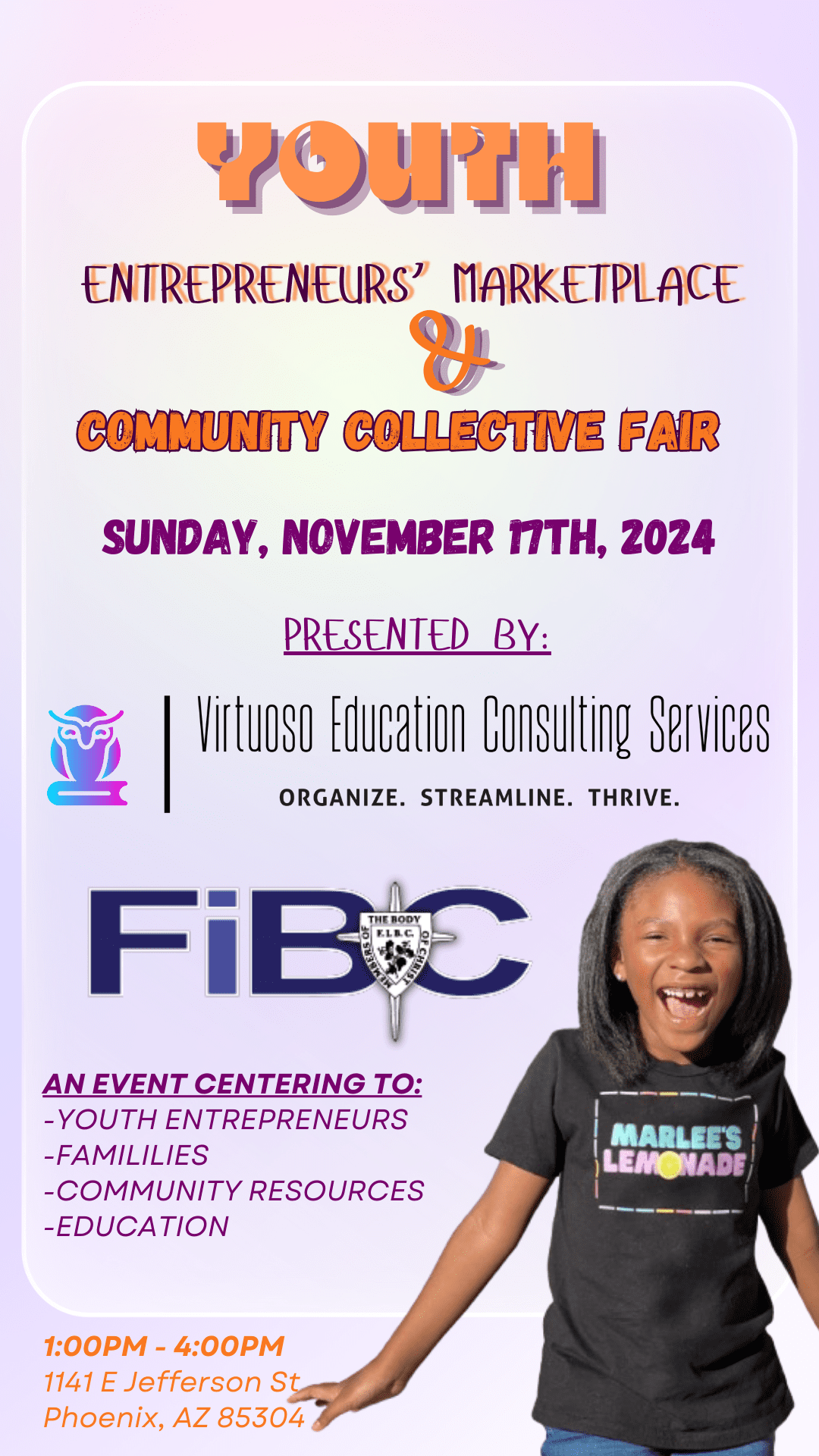
Trying a Different Kind of Sponsorship
At the time, I was working closely with WPX Hosting, and I pitched them on sponsoring the event with something more useful than a logo on a banner: a limited time hosting offer that attendees could ask about in person. The idea was simple. Instead of buying an ad, show up where small business owners and future small business owners already are, and put something real in their hands.
WPX was not that interested at the time. That happens. Not every partner is ready for every kind of visibility, and a single local event is a hard thing to justify against a marketing budget built for bigger channels. I am deemphasizing WPX in a lot of this rebuild for reasons that have nothing to do with this story, but I want to be clear that this was not a failed idea. It was a good idea that did not land with that particular partner at that particular time.
Why the Model Still Matters
This is exactly the kind of distribution and partnership thinking I bring to the plugin and app makers I work with now. Community event sponsorship is not glamorous, and it does not scale the way a paid ad campaign does. But it puts a product in front of the people who need it, at the moment they are most open to hearing about it, surrounded by other people who are actively building something.
Youth entrepreneurship events, family business fairs, and community collectives like this one are full of people who will start a website, register a domain, or need hosting sooner than they think. A brand that shows up there, in a useful way rather than a promotional one, builds trust that an ad never will.
Carrying It Forward
I still believe in this model, and it is part of why Kakt.ai exists in its current form. Finding unique partnerships and distribution channels beyond the obvious ones is the work. Sometimes the first partner says no. That does not mean the idea was wrong, it means the search for the right partner continues.